| Index/Product-1-1 Indexx | Chemical Composition(%) | ||||||
| Product | AL2O3 | SiO2 | Fe2O3 | TiO2 | R2O | B.D(g/cm³) | Water absorption(%) |
| M60 | 58-62 | 33-37 | ≤1.00 | ≤2.50 | ≤0.35 | ≥2.70 | ≤2.00 |
| M70 | 68-72 | 23-27 | ≤1.00 | ≤2.50 | ≤0.38 | ≥2.80 | ≤1.50 |
Introduction
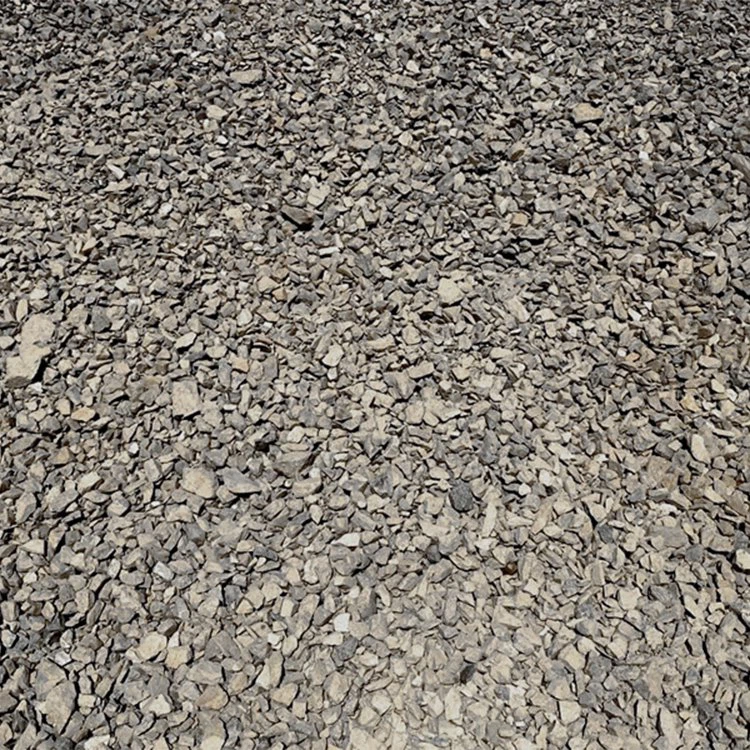
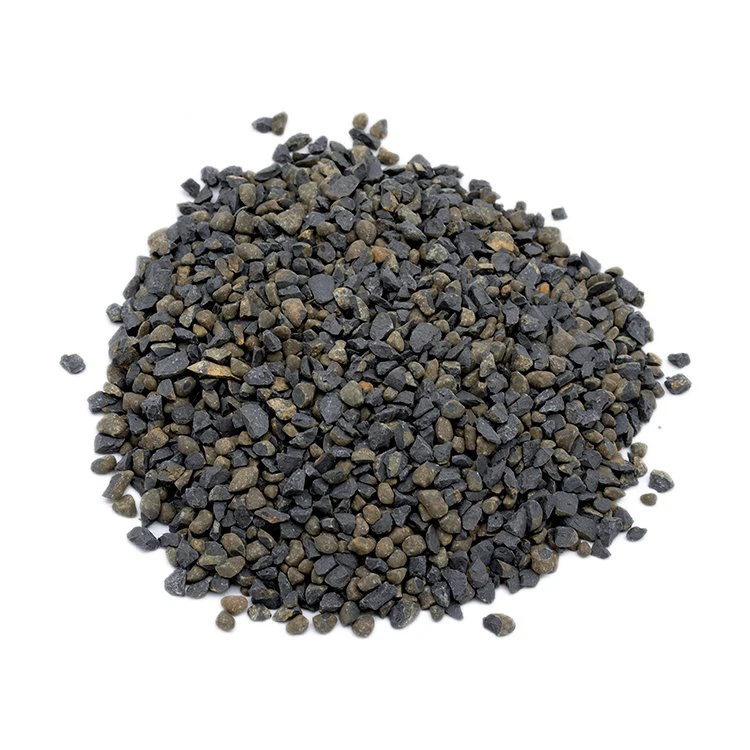
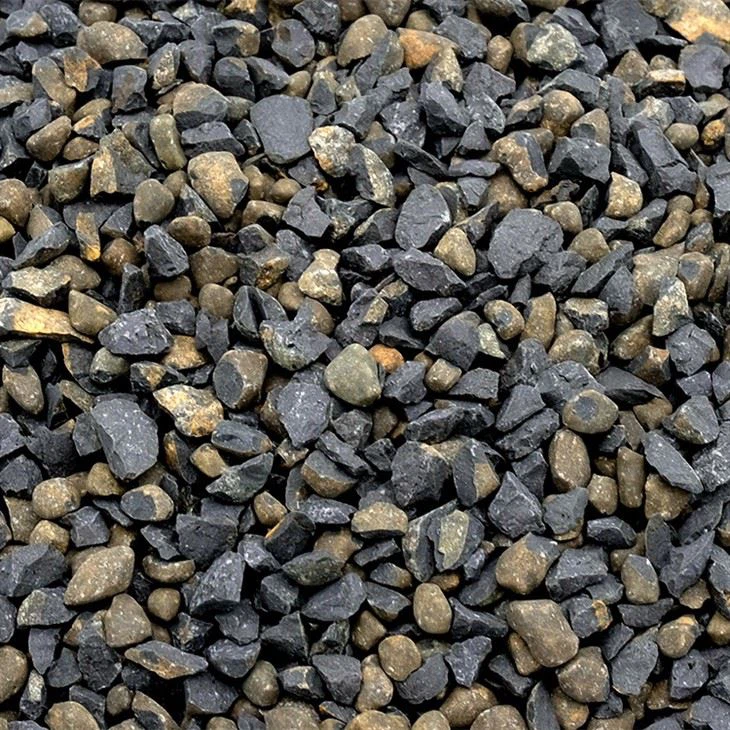
Sintered Mullite is a refractory material formed by high-temperature sintering. It is mainly used to manufacture high-strength and high-stability furnace linings and refractory bricks. It is widely used in high-temperature industrial fields such as steel, ceramics and glass.
Applications
Furnace lining materials for the steel industry
Used in steel smelting furnace linings, offering high-temperature resistance and extending lining life.
Refractory components for high-temperature kilns
Used in cement, ceramic, and glass kilns to ensure structural stability.
Precision casting mold materials
Used in molds to resist thermal shock and ensure casting quality.
Raw materials for sanitary ceramic bodies
As a ceramic raw material, it improves mechanical strength and heat resistance.
High-temperature filters and catalyst carriers
Manufactures high-temperature filters and catalyst carriers, offering chemical resistance.
why choose us?
Advanced Sintering Equipment
The company utilizes high-temperature sintering furnaces and automated control systems to achieve dense sintering of Sintered Mullite, ensuring the thermal stability and mechanical strength of the product, meeting the demands of high-temperature refractory applications.
Large-Scale Production Capacity
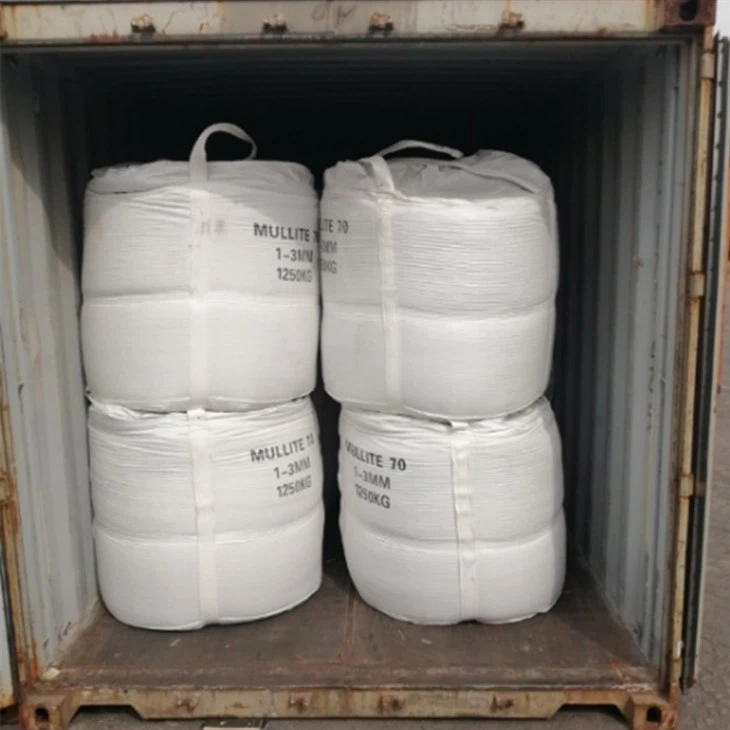
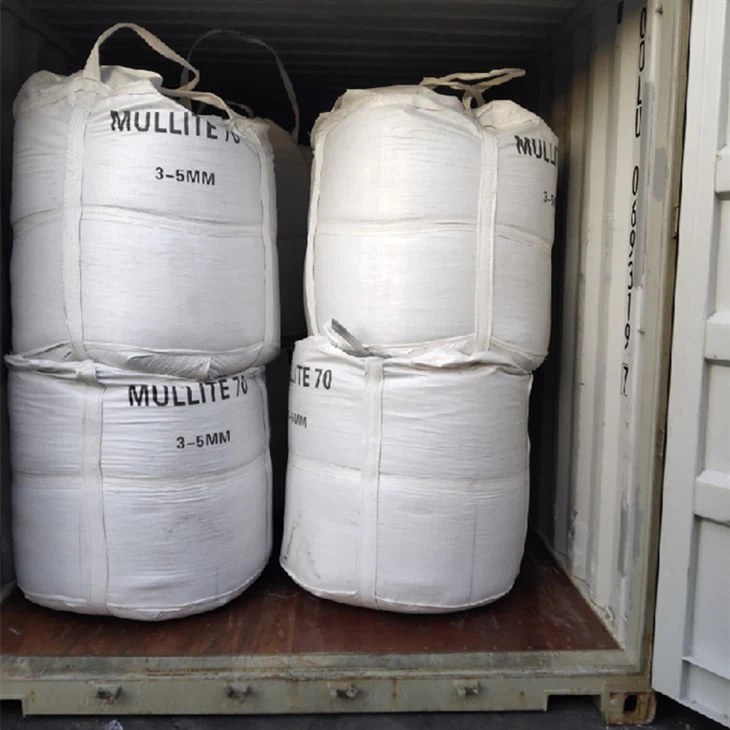
Backed by a refractory production line with an annual output of 80,000 tons, we have a stable supply of raw materials and continuous production capacity, ensuring timely delivery and stable supply for customers purchasing in bulk.
Strict Quality Management System
ISO9001-certified, we implement full-process quality control to ensure that Sintered Mullite product performance meets industry standards and meets the stringent testing and application requirements of diverse customers.
FAQ
Q: How does the sintered density of sintered mullite affect its service life?
A: High sintered density increases material strength and resistance to slag erosion, extending the service life of furnace linings and refractory bricks.
Q: Why does sintered mullite have better thermal shock resistance than ordinary refractory bricks?
A: The needle-shaped crystal structure formed during the sintering process reduces thermal expansion stress, significantly improving thermal shock cracking resistance.
Q: How does improper storage affect the performance of sintered mullite?
A: Moisture or mechanical damage can cause structural damage, affecting refractory properties and operational stability.
Q: What specific applications are suitable for sintered mullite of different particle sizes?
A: Fine particle sizes are suitable for precision casting and ceramic blanks, while coarse particle sizes are more suitable for furnace lining refractory brick manufacturing.
Q: What is the chemical resistance of sintered mullite in high-temperature corrosive environments?
A: The sintering process improves its chemical stability, making it resistant to corrosion from a variety of high-temperature molten slags and acidic gases.
Hot Tags: sintered mullite, China sintered mullite manufacturers, suppliers, factory, Crushed Aluminum Refractory Brick, Refractories, Refractory Spinel, Calcined Bauxite, Sintered Mullite